
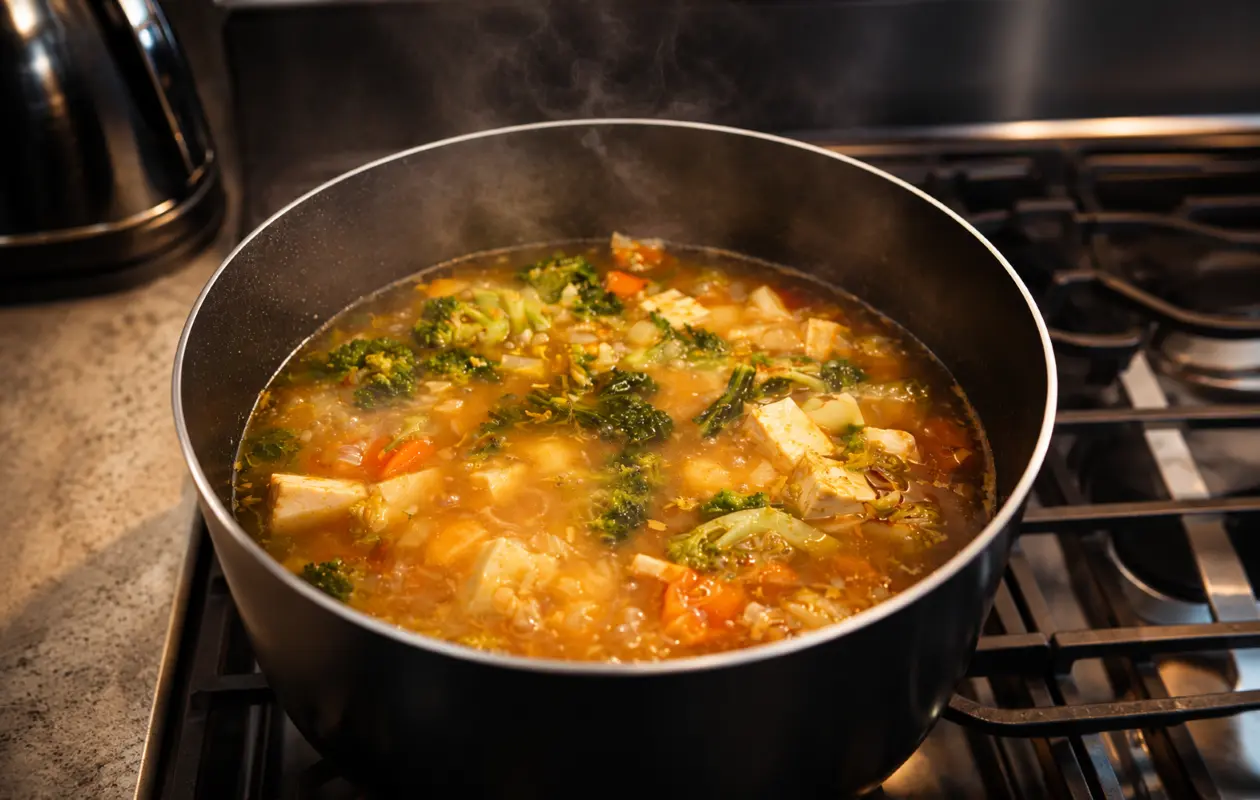
There are days when I stare into my fridge, completely uninspired… and then there are days when magic happens. This Indian Korean fusion stew? Pure magic. It’s bold, cozy, slightly spicy, and honestly feels like two incredible cuisines decided to collaborate and create something unforgettable.
As someone who’s always juggling work, life, and trying to eat something that actually excites me, this stew has become one of my go-to comfort meals. It’s quick, flexible, and packed with flavor. And the best part? You don’t need to be a professional chef to pull this off.
If you love rich Indian spices and the umami depth of Korean flavors, you’re about to fall in love.
What Is Indian Korean Flavored Stew?
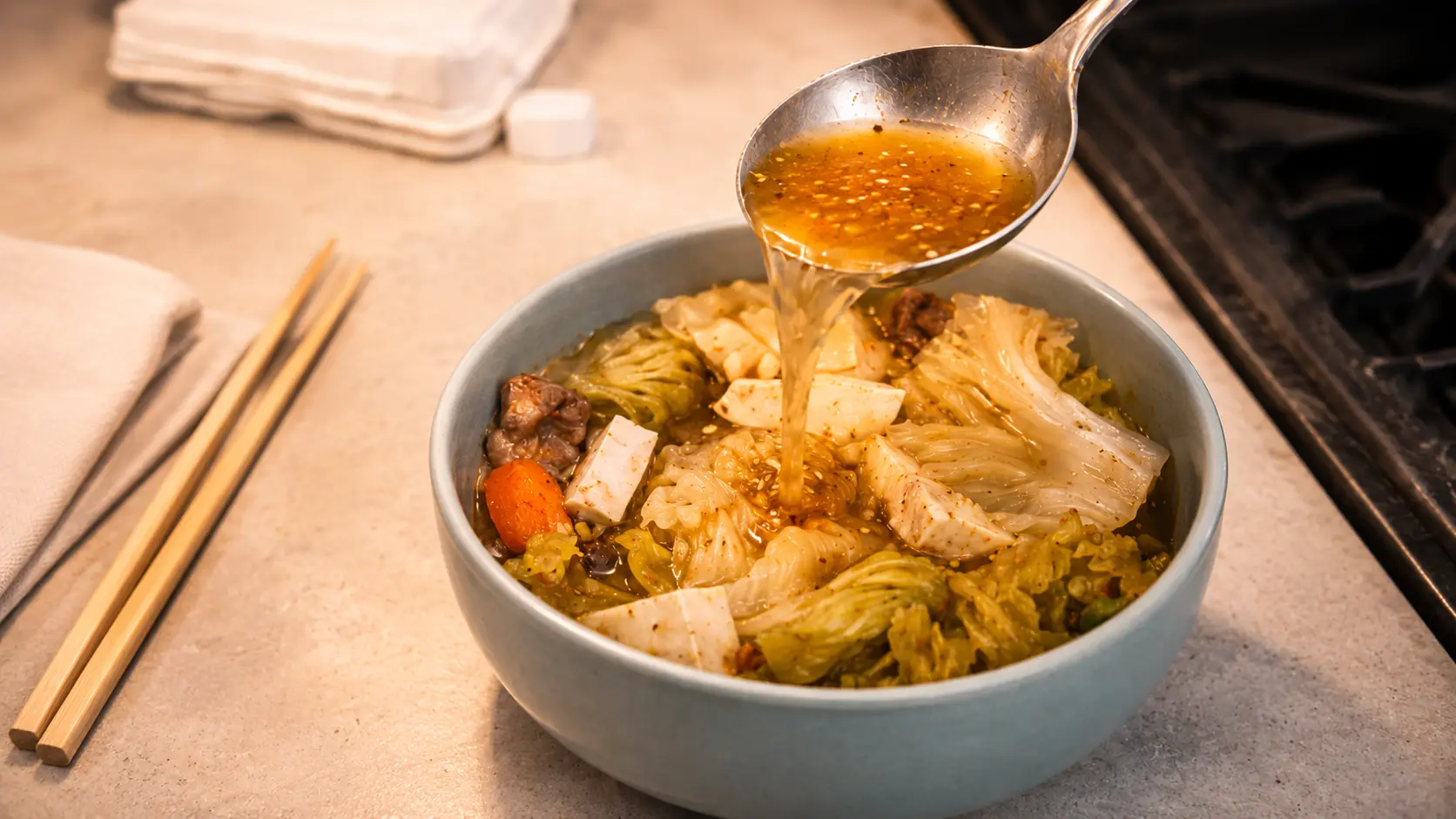
This stew is the fusion dish that blends the creamy, spiced richness of Indian butter chicken with the savory, umami-packed elements of Korean cooking.
Think of it as:
- Warm and comforting like a classic Indian curry
- Deep and savory like a Korean stew
- Balanced with a little spice, a little richness, and a lot of personality
What makes this dish so fun is that there are no strict rules. It’s a freestyle, mix-and-match kind of recipe. You’re combining:
- Vegetables
- Tofu
- Beef
- Broth
- Butter chicken base
- Korean-inspired seasonings
And somehow, it all just works beautifully.
Ingredients
Here’s everything I use when I make this cozy bowl of goodness:
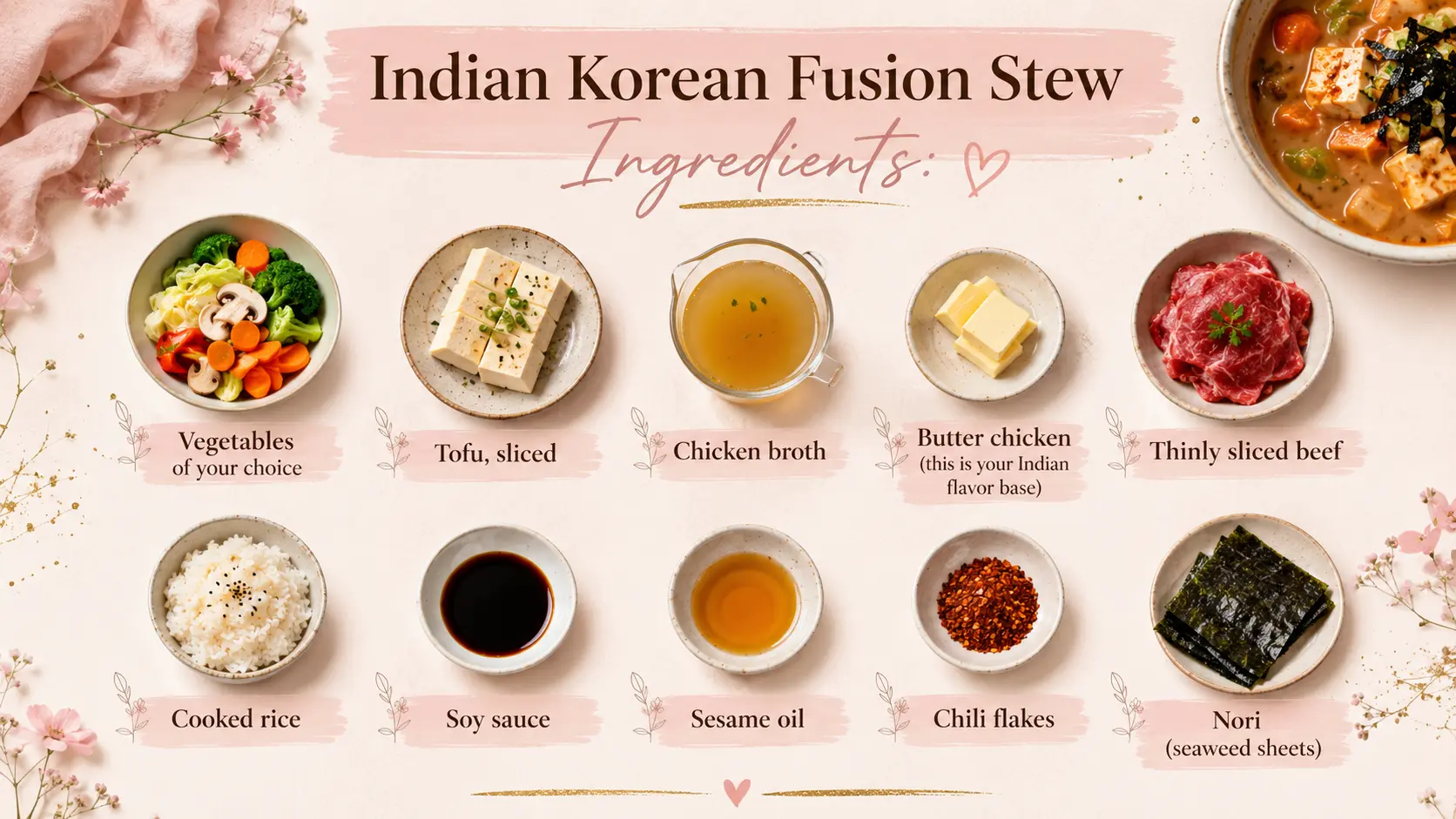
- Vegetables of your choice
- Tofu, sliced
- Chicken broth
- Butter chicken (this is your Indian flavor base)
- Thinly sliced beef
- Cooked rice
- Soy sauce
- Sesame oil
- Chili flakes
- Nori (seaweed sheets)
That’s it. Simple ingredients, but when combined, they create something seriously next-level.
Step-by-Step Instructions
1. Start with Your Base
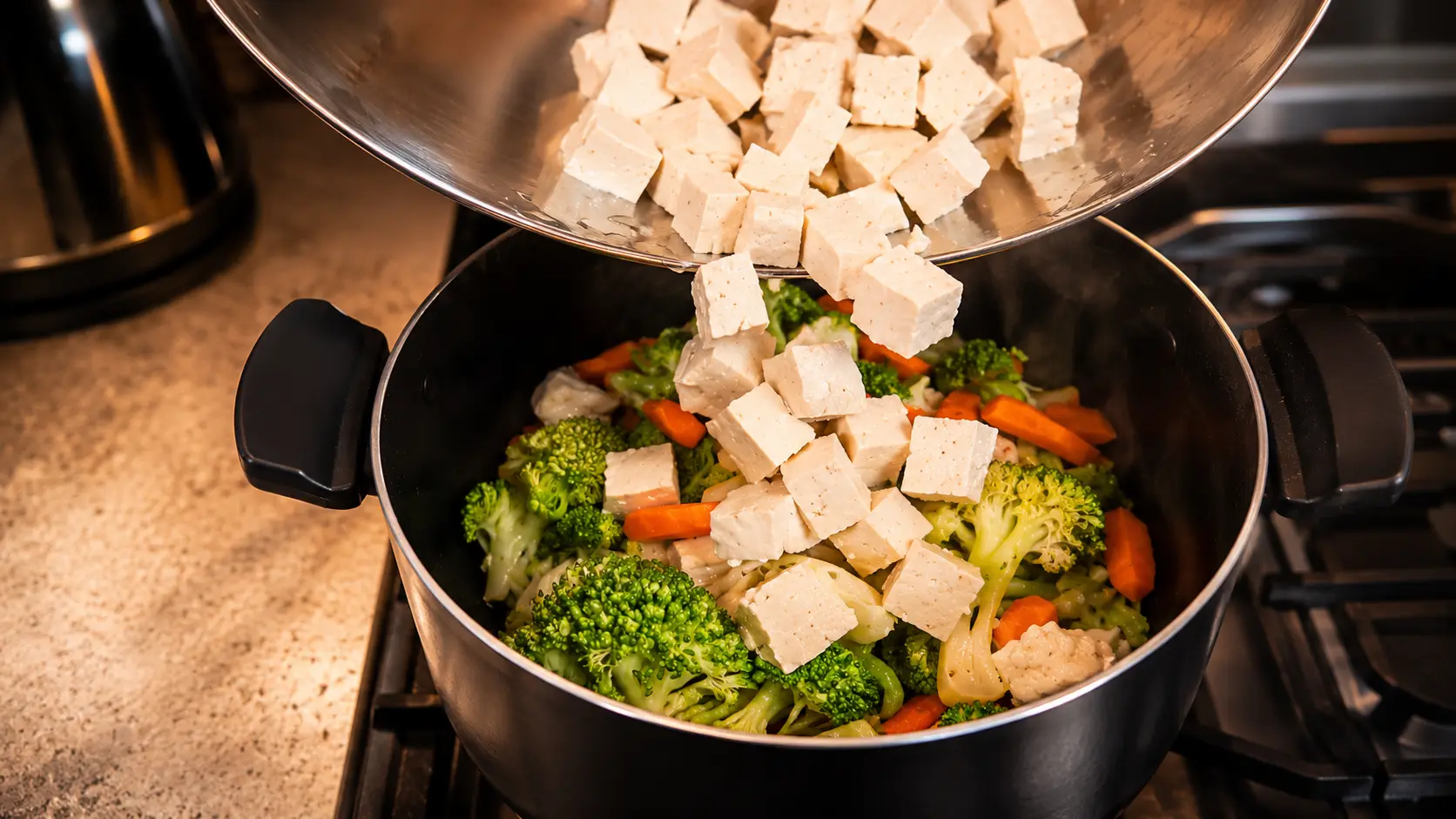
I always begin by grabbing a pot and adding in my vegetables. This is where you can get creative. Whatever you have in your fridge works here.
Once your veggies are in, add your sliced tofu. The tofu soaks up all the flavors later, and trust me, you’ll want that.
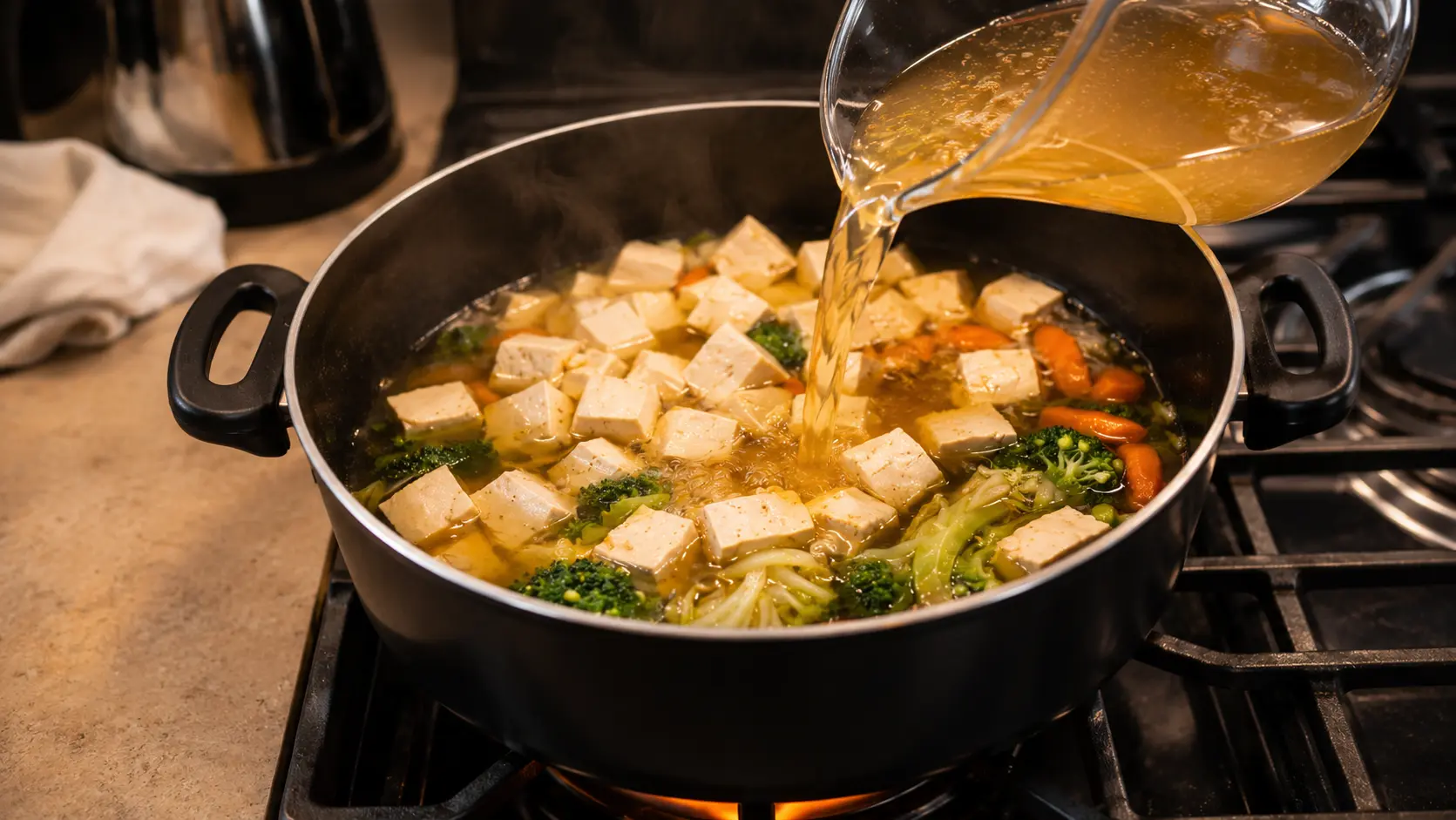
2. Add the Broth
Pour in your chicken broth. This is what gives your stew that comforting, soupy consistency.
Turn on the heat and let everything start warming up together. You’ll already start smelling something amazing.
3. Bring in the Indian Flavor
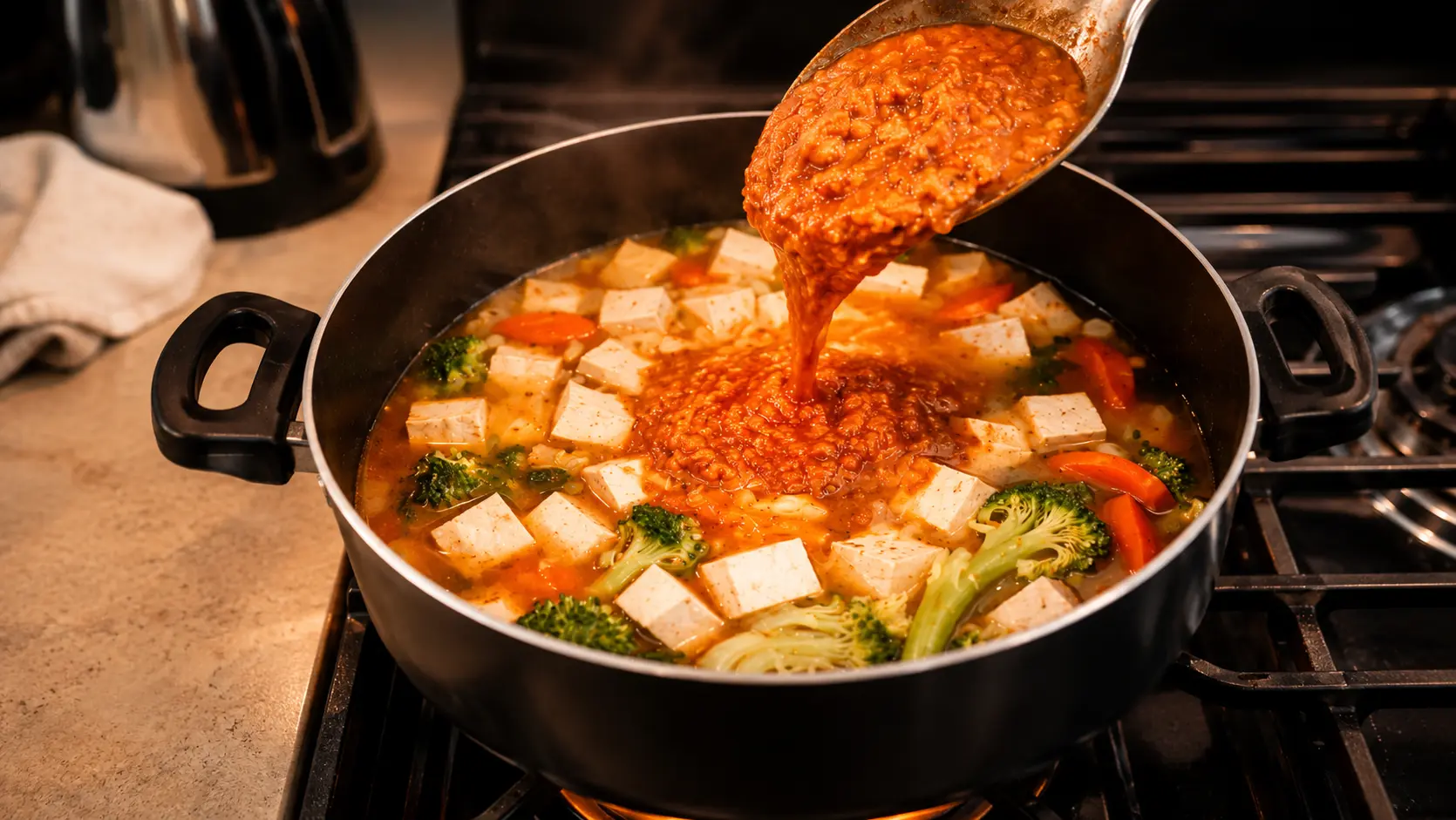
Now comes the star of the show: butter chicken.
Add it into the pot and stir everything together. This is what transforms your basic broth into something rich, creamy, and full of Indian spices.
Let it heat up and start to gently boil.
4. Add the Beef
Once your stew is bubbling, add in your thinly sliced beef.
Because it’s sliced thin, it cooks really quickly. Stir it in so it absorbs all that flavor from the broth and butter chicken mixture.
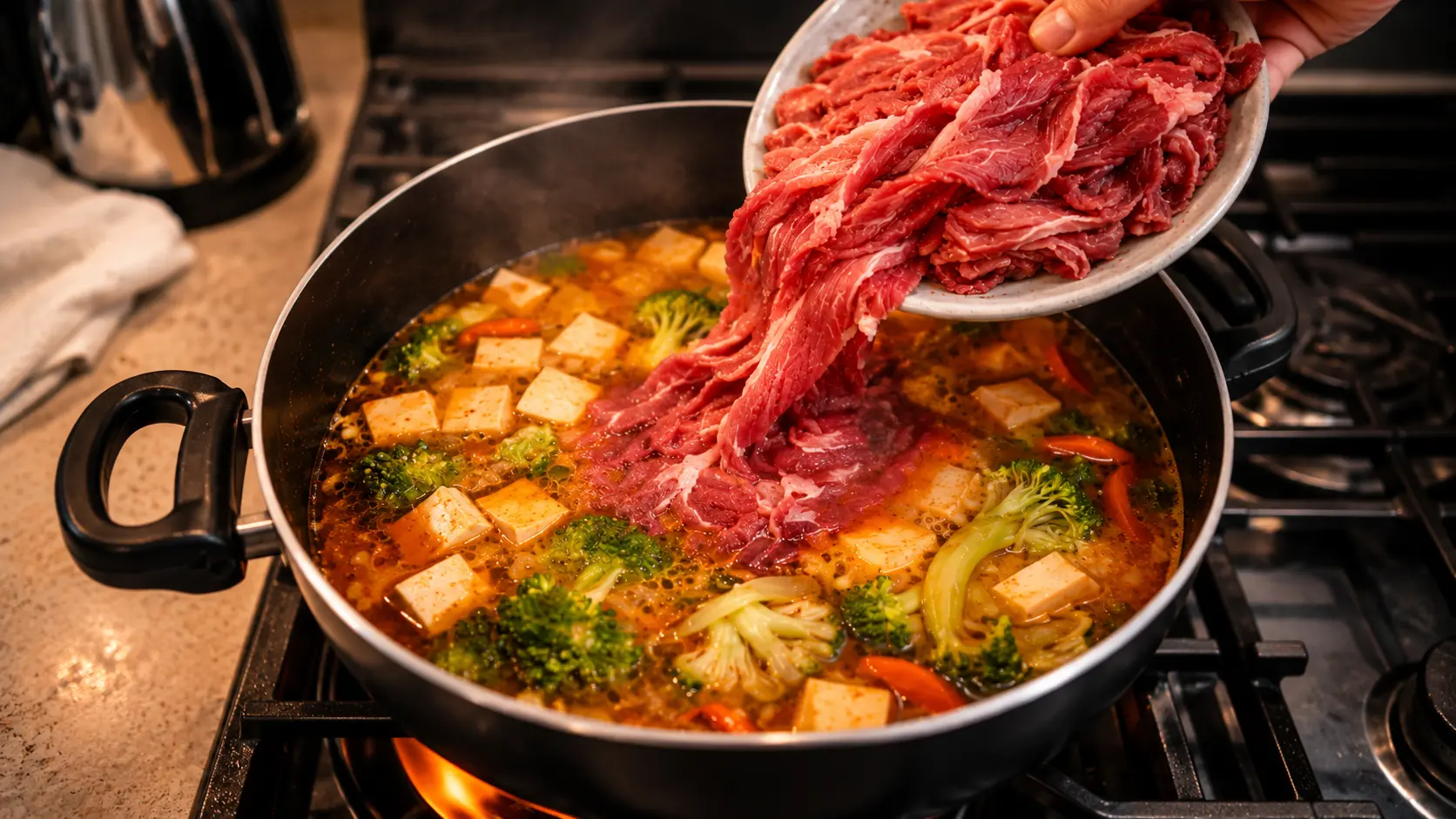
At this point, your kitchen will smell incredible.
Let everything boil and come together. This is where the magic happens. The flavors start blending, deepening, and becoming one cohesive, comforting stew.
5. Assemble Your Bowl
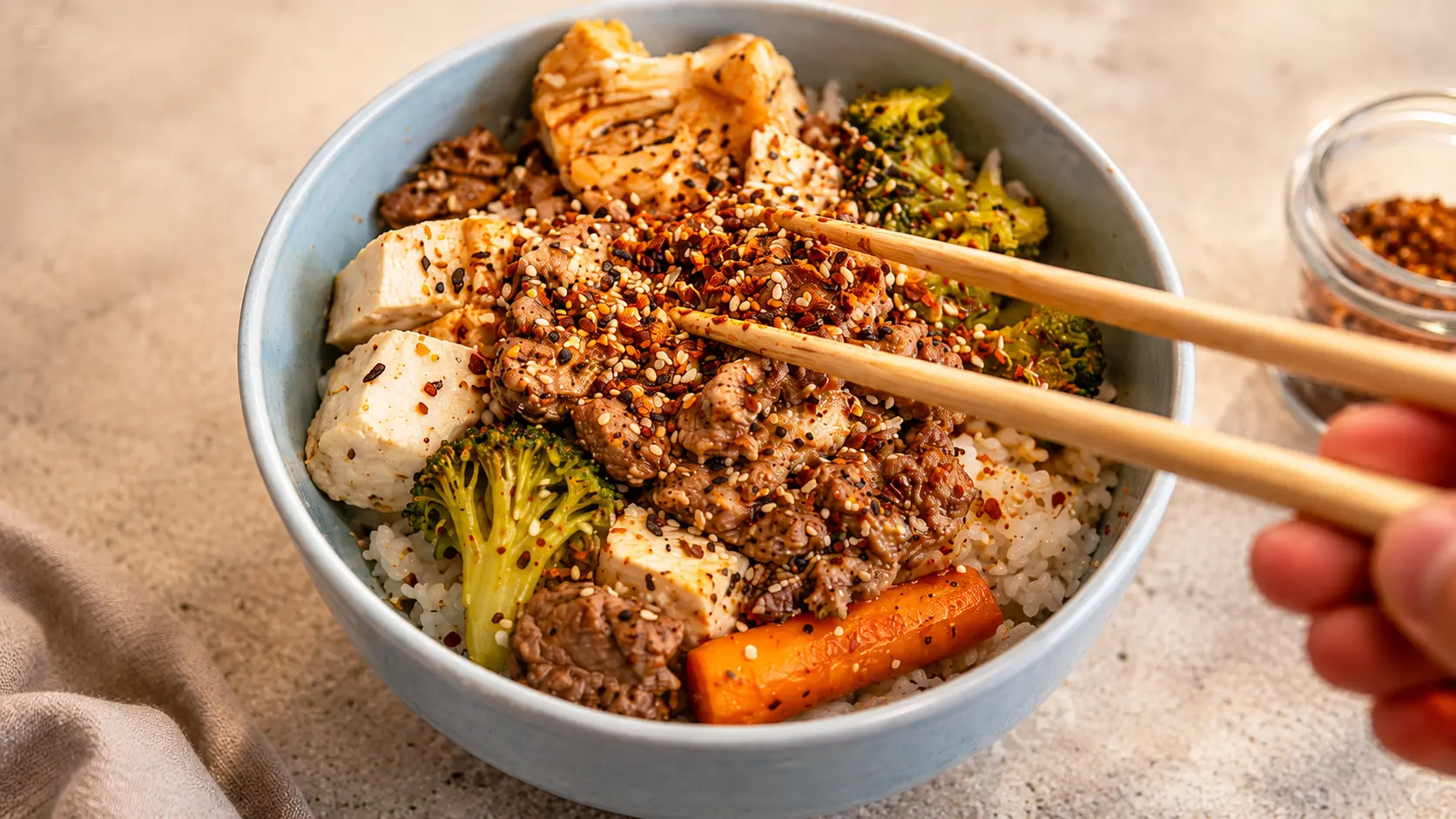
Grab a bowl of rice and spoon that rich, flavorful stew right on top.
This step is everything. The rice soaks up the broth and makes every bite satisfying.
Now for the finishing touches:
- Drizzle soy sauce
- Add a bit of sesame oil
- Sprinkle chili flakes
These ingredients bring in that Korean-inspired depth and a little kick of heat.
6. Wrap It Up with Nori
Take some nori, scoop up the stew and rice, and enjoy it almost like a wrap.
It’s messy in the best way possible and adds that extra layer of flavor and texture.
Recommendations to Make It Even Better
If you’re anything like me, you’ll start experimenting after the first time you make this. Here are some tips to elevate it even more:
Balance the Flavors
If it feels too rich, add a bit more broth. If you want it creamier, lean into the butter chicken.
Control the Heat
Chili flakes can sneak up on you. Start small and build up depending on your spice tolerance.
Texture Matters
Thinly sliced beef is key. It cooks fast and stays tender. Thick cuts might get chewy.
Tofu Tip
Let the tofu sit in the broth longer so it really absorbs all that flavor.
Rice Upgrade
Fresh, warm rice makes a huge difference. It ties everything together and soaks up all the goodness.
My Thoughts

I’m not exaggerating when I say this dish surprised me in the best way possible.
At first, I wasn’t sure how Indian butter chicken and Korean flavors would come together. But once I tasted it, I realized something important. Food doesn’t have to follow rules to be incredible.
This stew feels like comfort food with personality. It’s rich, slightly spicy, deeply savory, and honestly kind of addictive.
It’s also one of those meals that feels special without requiring a ton of effort. Perfect for busy days, cozy nights, or when you just want something different.
And let’s be real. Eating it with nori makes the whole experience fun.
FAQ
1. Can I use different vegetables?
Yes, absolutely. Use whatever you have on hand.
2. Is tofu necessary?
No, but it adds great texture and absorbs flavor really well.
3. Can I skip the beef?
Yes, you can leave it out or replace it with another protein.
4. How spicy is this dish?
It depends on how much chili flakes you add. You control the heat.
5. What does butter chicken add?
It gives the stew a rich, creamy Indian flavor base.
6. Can I make it vegetarian?
Yes, just skip the beef and use vegetable broth instead of chicken broth.
7. Why use sesame oil?
It adds a nutty, deep flavor that complements the stew perfectly.
8. Do I have to use nori?
No, but it adds a fun Korean twist and extra flavor.
9. Can I meal prep this?
Yes, it reheats well and tastes even better the next day.
10. What makes this fusion work?
The combination of creamy Indian spices and savory Korean elements creates a balanced, bold flavor.









.png)






.webp)

.webp)
