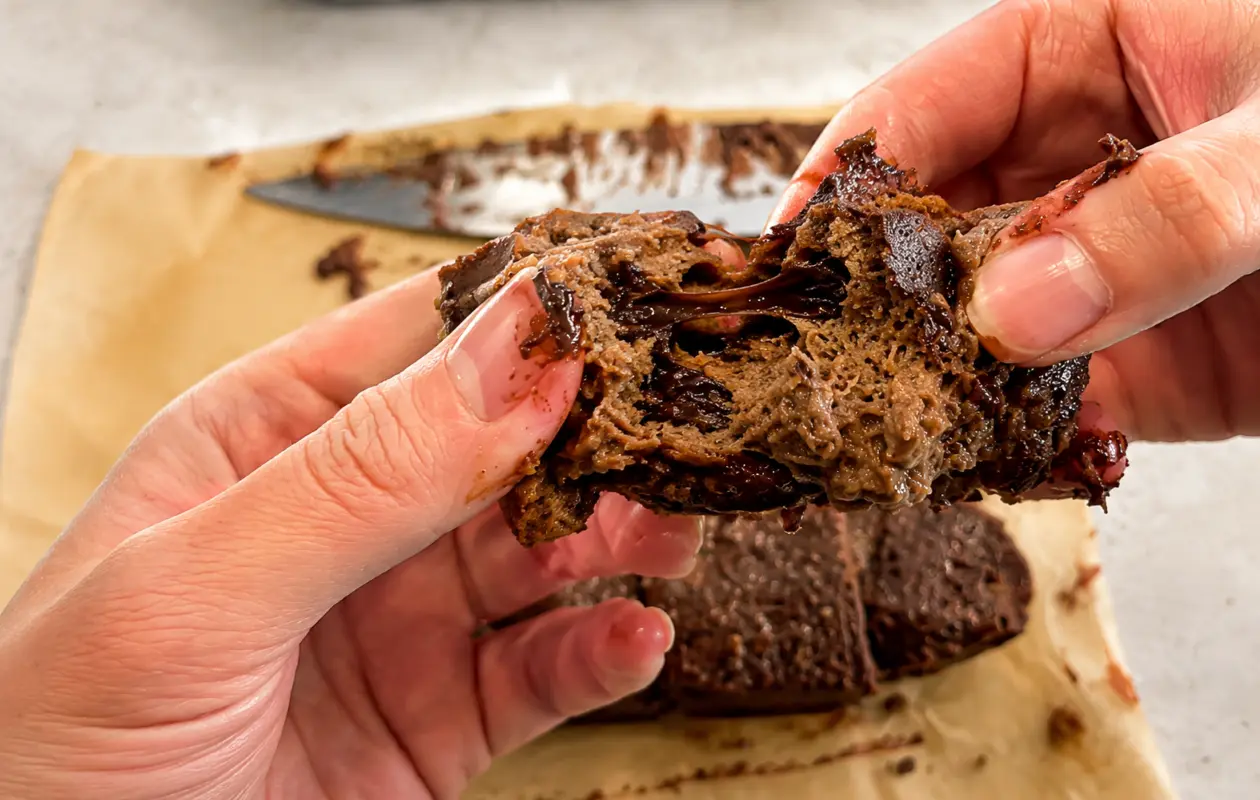
There are certain foods that make people stop mid conversation and go, “Wait... you eat WHAT?” And honestly, I feel like Tamago Kake Gohan falls into that category for a lot of people in the United States.
People are always asking me, “Hey Hilda, why do you like to eat weird stuff? Like the raw egg on rice.” And every single time, I have to defend one of my favorite comfort meals like my life depends on it.
Because listen... This dish may sound unusual at first, but once you try it, it’s game over.
And no, I’m not talking about cracking a raw egg into a cup like Sylvester Stallone in Rocky. That scene will forever traumatize me.
This is different.
This is creamy, savory, rich, silky, and addicting during a rainy day.
If you love Japanese flavors, rice bowls, or easy comfort food recipes, I genuinely believe you’re going to fall in love with this.
What Is Tamago Kake Gohan?
.webp)
Tamago Kake Gohan is a popular Japanese comfort food made with steaming hot rice, raw egg, and seasonings.
In Japanese, “tamago” means egg, “kake” means poured over, and “gohan” means rice. So basically, it translates to egg poured over rice. It kind of reminds me of the character Gohan from Dragon Ball Z. I don’t think I can take him seriously anymore when he goes Super Saiyan.
Simple enough, right?
The magic happens when the raw egg hits the steaming hot rice. The heat slightly cooks the egg, creating this glossy, creamy texture that coats every grain of rice beautifully. I honestly think the texture is what makes this dish so special.
Now, I do want to mention something important.
Japan has extremely high hygiene standards and advanced salmonella testing when it comes to eggs. Because of that, eating raw eggs there is considered much safer. However, if you’re in the US or another country, I strongly recommend using pasteurized eggs for safety reasons.
I personally think it’s better to enjoy your meal stress free rather than sitting there wondering if your stomach is about to betray you later.
Ingredients You Need
One of my favorite things about Tamago Kake Gohan is how ridiculously easy it is to make.
You only need a few ingredients:
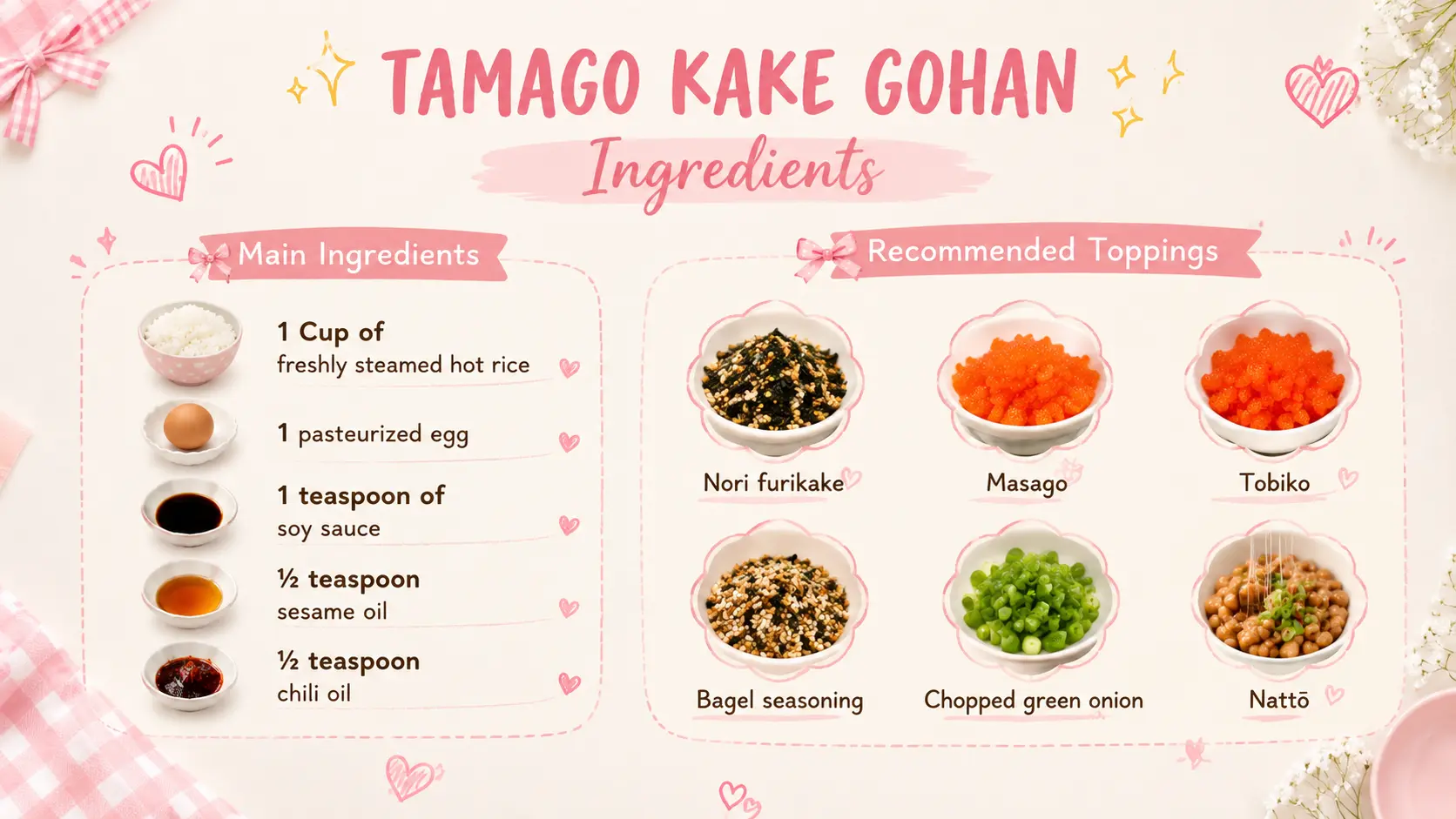
I love how customizable this dish is. You can keep it super traditional or make it your own little comfort bowl masterpiece.
Personally, I feel like the sesame oil adds this nutty richness that completely changes the dish. And the chili oil? That little kick makes everything taste ten times better.
How to Make Tamago Kake Gohan
Step 1: Make Fresh Hot Rice
This part is VERY important.
The rice needs to be piping hot.
I recommend using rice that just came out of the rice cooker or microwave. The heat from the rice is what slightly cooks the egg and creates that creamy omelet taste.
If your rice is lukewarm, the dish just doesn’t hit the same way. I’ve tried it before and honestly... It felt sad.
Fresh hot rice makes all the difference.
Step 2: Crack the Egg Over the Rice
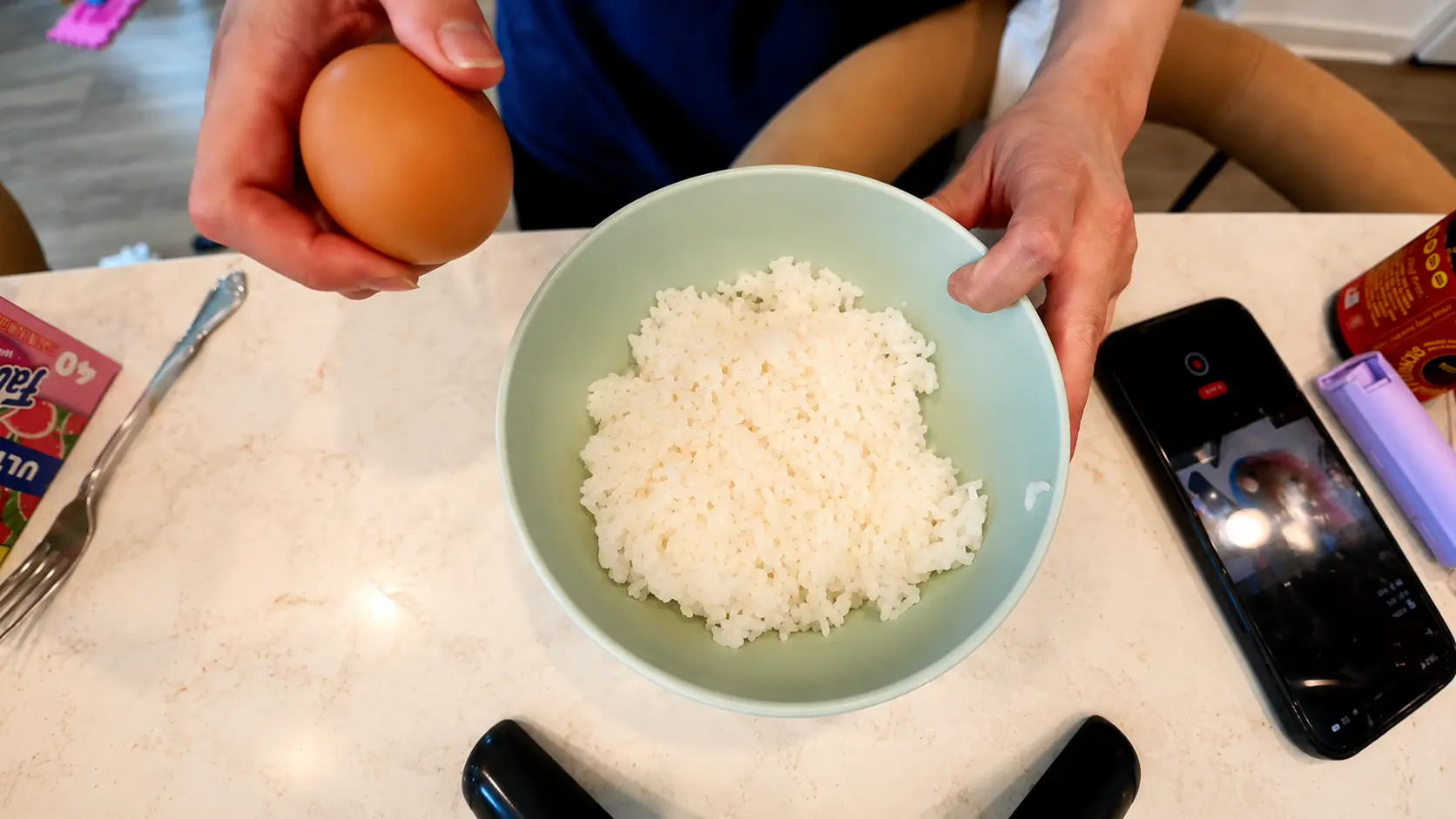
Place your steaming hot rice into a bowl and crack the pasteurized egg directly on top. I like to create a curvature on top of the rice, so the egg yolk doesn’t slide down.
Watching the egg melt into the hot rice is honestly so satisfying. The yolk becomes glossy and silky while the whites lightly cook from the heat.
This is the moment where people either become obsessed with Tamago Kake Gohan... or run away in fear.
Thankfully, I became obsessed.
.webp)
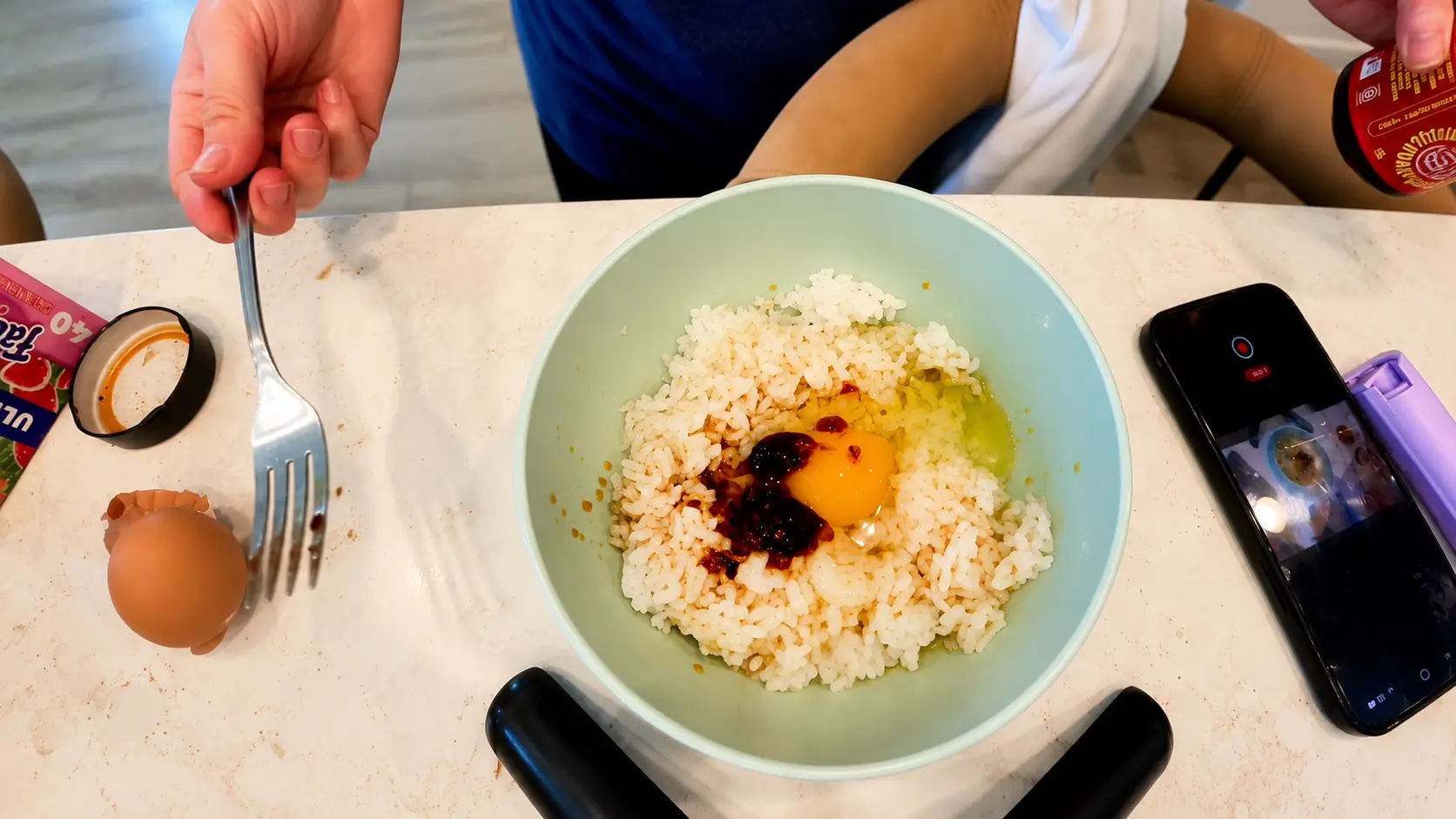
Step 3: Add the Seasonings
Now it’s time to build flavor.
Add:
- Soy sauce
- Sesame oil
- Chili oil
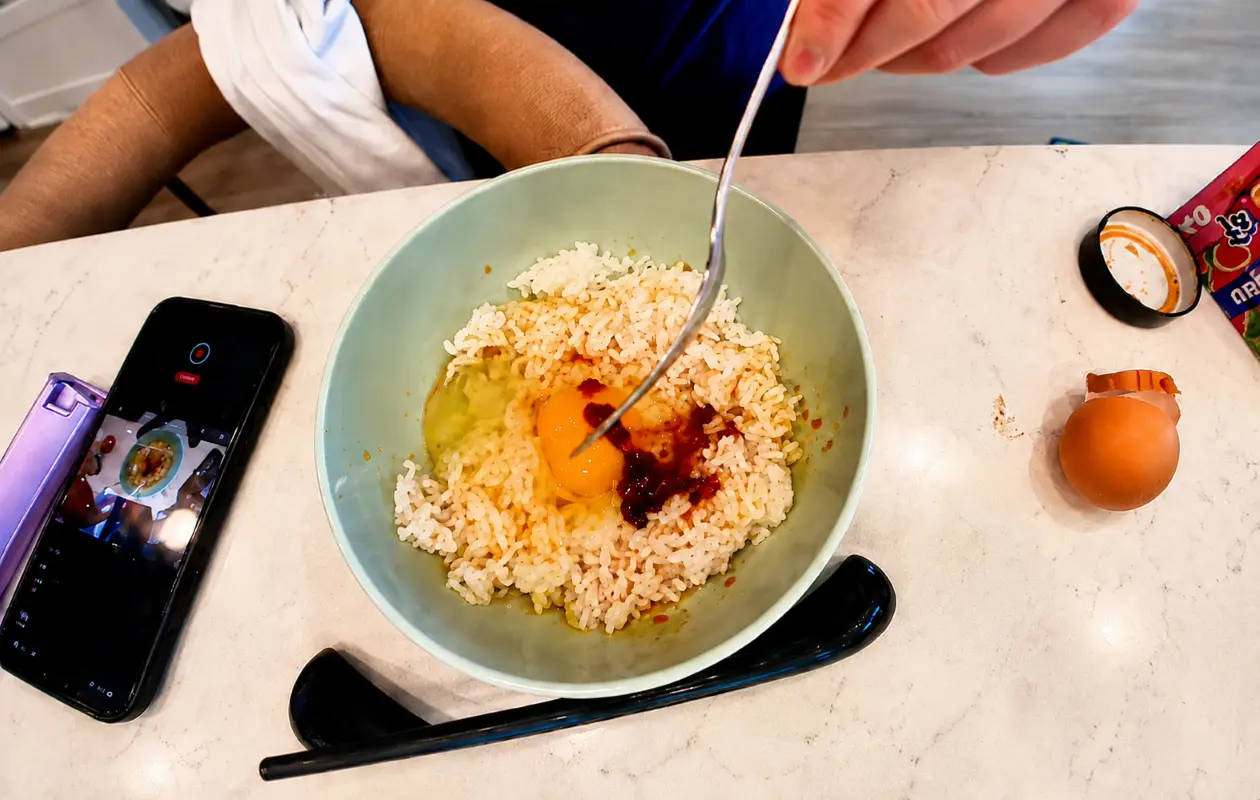
The soy sauce gives it saltiness and umami. The sesame oil adds richness. The chili oil brings heat and depth.
I personally think the combination is Kanpeki→”Perfection”.
Step 4: Add Toppings
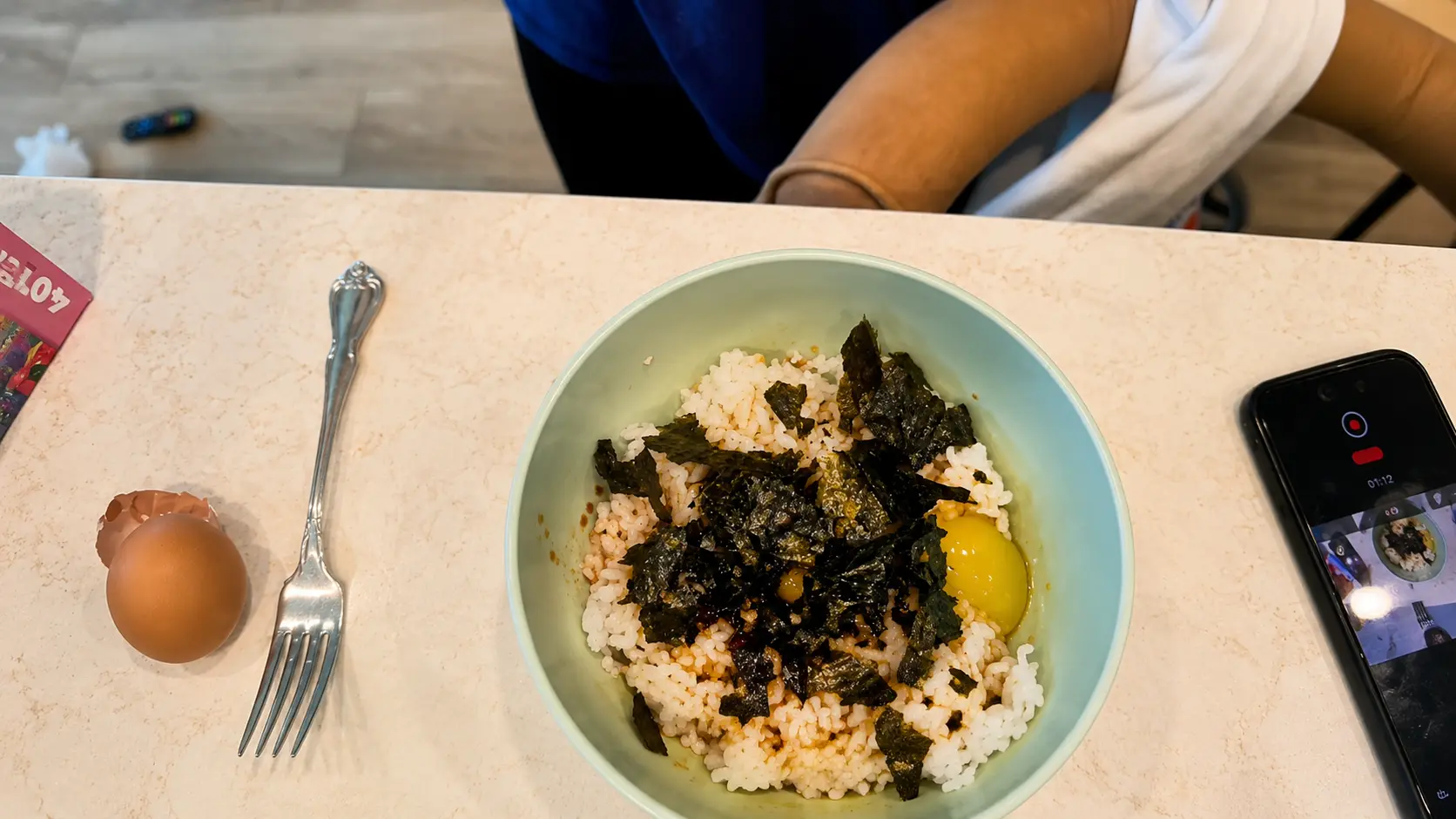
Now comes the fun part, which is to add your favorite toppings. In my video, I added crunched up nori.
Step 5: Mix Everything Together
Grab your spoon or chopsticks and mix everything thoroughly.
You want the egg to coat every grain of rice evenly. Once mixed, your rice should look like a risotto and fried rice combo.
Based on the youtube video I've placed in the beginning of this blog post, it shows that I added Bagel seasoning after mixing the ingredients together.
.webp)
Recommendations to Make This Recipe Even Better
I honestly believe Tamago Kake Gohan is one of those recipes that gets better the more you personalize it. The beauty of this dish is that it starts with a very simple foundation, then you can slowly experiment with flavors and toppings until it becomes your own comfort food obsession. I also feel like the little details matter here because even small changes can completely transform the flavor and texture.
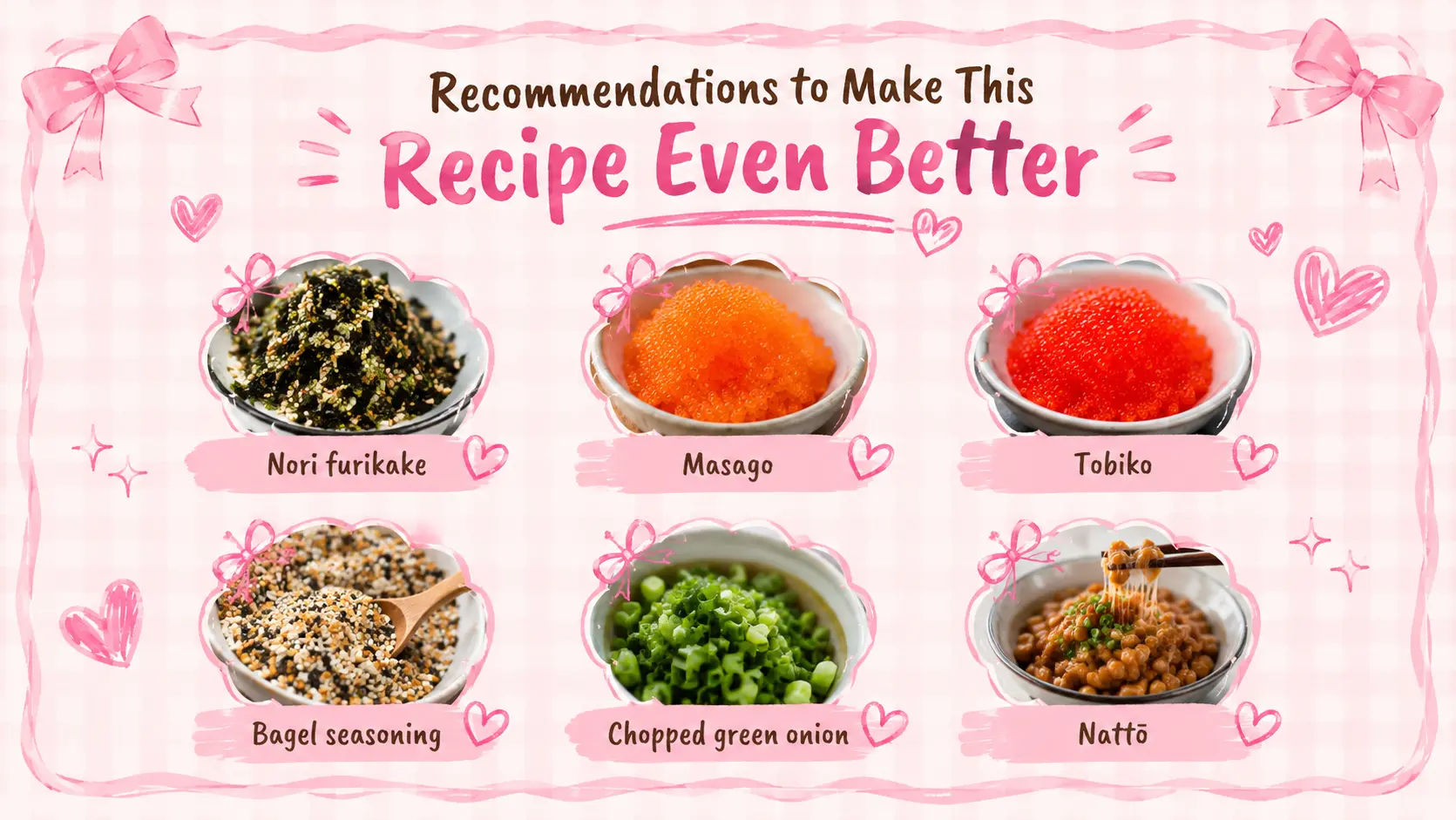
Nori Furikake
Nori furikake is a Japanese rice seasoning blend that usually contains dried seaweed, sesame seeds, salt, and other savory ingredients. I personally love adding this because it gives the rice extra umami flavor along with a little crunch. It instantly makes the bowl taste more authentic and flavorful.
Masago
Masago are tiny orange fish eggs that come from capelin fish. They have a light salty flavor and a delicate crunchy texture that pops in your mouth. I find this topping makes Tamago Kake Gohan feel a little more luxurious without requiring much effort.
Tobiko
Tobiko are flying fish roe commonly used in sushi dishes. Compared to masago, tobiko usually has a larger crunch and a slightly sweeter, smokier flavor. I honestly think tobiko adds an amazing texture contrast against the creamy egg and soft rice.
Bagel Seasoning
Bagel seasoning is a blend of sesame seeds, garlic, onion, salt, and poppy seeds. I have to be completely honest with you guys, but in the video I ran out of nori furikake, so I decided to innovate a little. I added regular nori, crushed it up, and combined it with bagel seasoning, and honestly, you pretty much don’t even know the difference.
Chopped Green Onion
Chopped green onion adds freshness, color, and a mild onion flavor that brightens the entire dish. I feel like this topping balances out the richness of the egg and sesame oil perfectly while making the bowl taste fresher and lighter.
Nattō
Nattō is a traditional Japanese fermented soybean dish known for its strong flavor, sticky texture, and powerful umami taste. I’ll be honest, nattō can be an acquired taste for some people, but if you enjoy fermented foods, it pairs incredibly well with Tamago Kake Gohan. It also adds extra protein and depth of flavor to the bowl.
My Thoughts About Tamago Kake Gohan
.webp)
I know this dish can sound intimidating to some people.
Raw egg over rice doesn’t exactly scream “normal American comfort food.”
But honestly? I think people judge it too quickly before actually trying it.
The one thing I love about this dish is how easy it is to customize to your mood and preference. Some days I make it spicy with chili oil, and other days I load it up with furikake and fish eggs for extra flavor and texture.
Overall, I feel like Tamago Kake Gohan is one of those dishes you either become obsessed with or never want to eat again. But personally? I genuinely find it comforting, easy, and fun.
Frequently Asked Questions
1. Is Tamago Kake Gohan safe to eat?
It can be safe if you use pasteurized eggs, especially outside Japan.
2. What does Tamago Kake Gohan taste like?
If I were to describe the taste, it would be like a creamy fried rice.
3. Do I have to use hot rice?
Yes. The hot rice helps slightly cook the egg and creates a beautiful melty omlete taste.
4. Can I use regular eggs?
You can, but I recommend pasteurized eggs for better safety.
5. What toppings go well with Tamago Kake Gohan?
Nori furikake, masago, tobiko, and bagel seasoning all work great.
6. Is Tamago Kake Gohan popular in Japan?
Yes, it’s considered a popular Japanese comfort food.
7. Can I add spicy ingredients?
Absolutely. Chili oil adds amazing heat and flavor.
8. What kind of rice should I use?
Fresh steaming hot rice works best.
9. Is this dish filling?
Yes. Even though it’s simple, it’s surprisingly satisfying.
10. Why do people love Tamago Kake Gohan?
I think people love it because it’s easy, comforting, flavorful, and customizable.









.png)






.webp)
.webp)