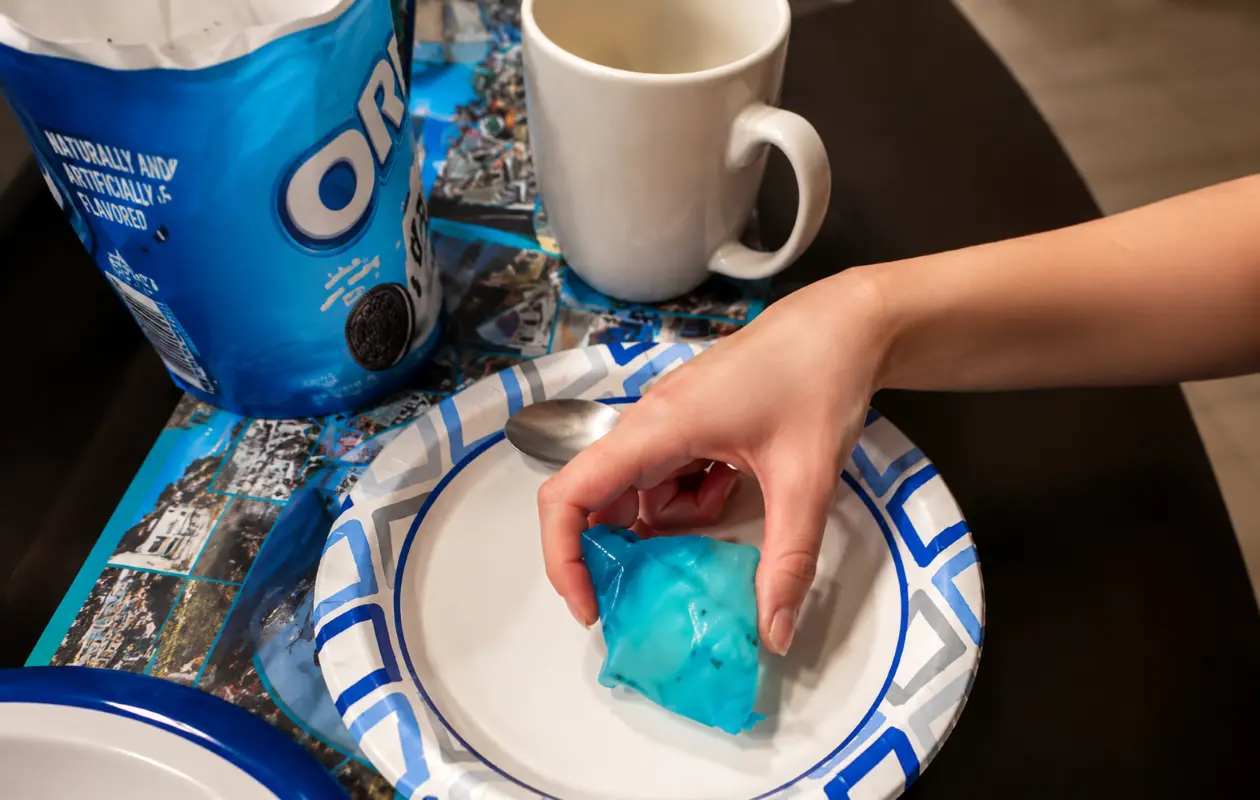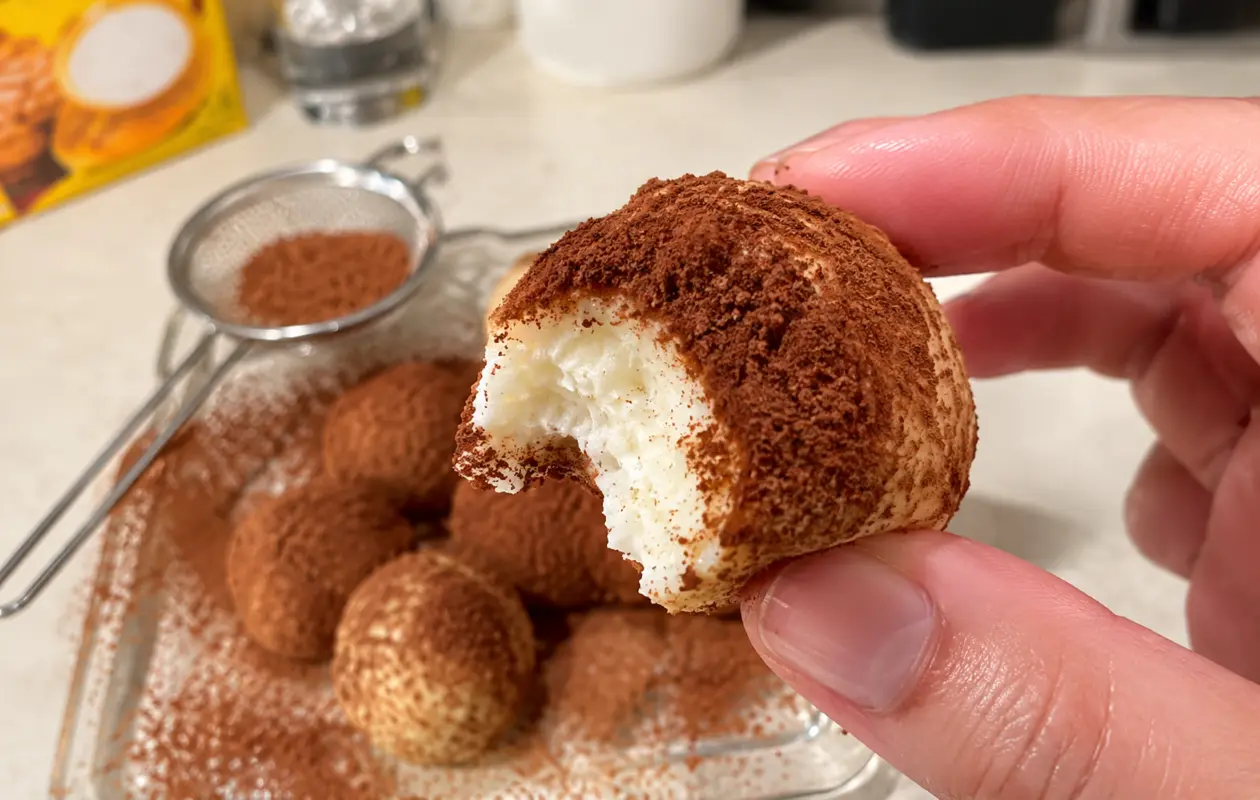
If you've never had milk balls, you're in for a fun surprise. The first time I made these, I couldn't stop poking them because they're bouncy on the outside and incredibly soft on the inside. They have this playful texture that's hard to describe until you actually hold one in your hand.
My friends love teasing me because they say these milk balls feel like breast implants. I have to laugh every single time they bring it up. Personally, I think these taste way better, and thankfully, you can eat them without getting weird looks.
What I love most about this snack recipe is how ridiculously simple it is. You don't need fancy equipment or a long shopping list. With just a few pantry staples, you can make soft, chewy milk balls that are naturally satisfying and endlessly customizable.
The best part? You can switch up the milk, the sweetener, and even the coating depending on what you're craving. One day I might dust mine with cocoa powder, and the next I'm reaching for matcha or cinnamon. That's what makes this recipe so much fun. You can make it your own every single time.
If you're looking for an easy Asian-inspired dessert that's unique, satisfying, and guaranteed to get people talking, these milk balls deserve a spot on your must-try list.
What Are Milk Balls?

Milk balls are soft, chewy treats with a texture that's unlike most desserts. They're bouncy and squishy on the outside with a soft, fluffy center that's incredibly satisfying to bite into.
I like to describe them as somewhere between a soft mochi and a squishy stress ball, but much more delicious. Their mild, creamy flavor also makes them perfect for pairing with different toppings, so you can easily customize them to your taste. They're fun to eat, easy to love, and always a conversation starter.
Ingredients for Making Milk Balls
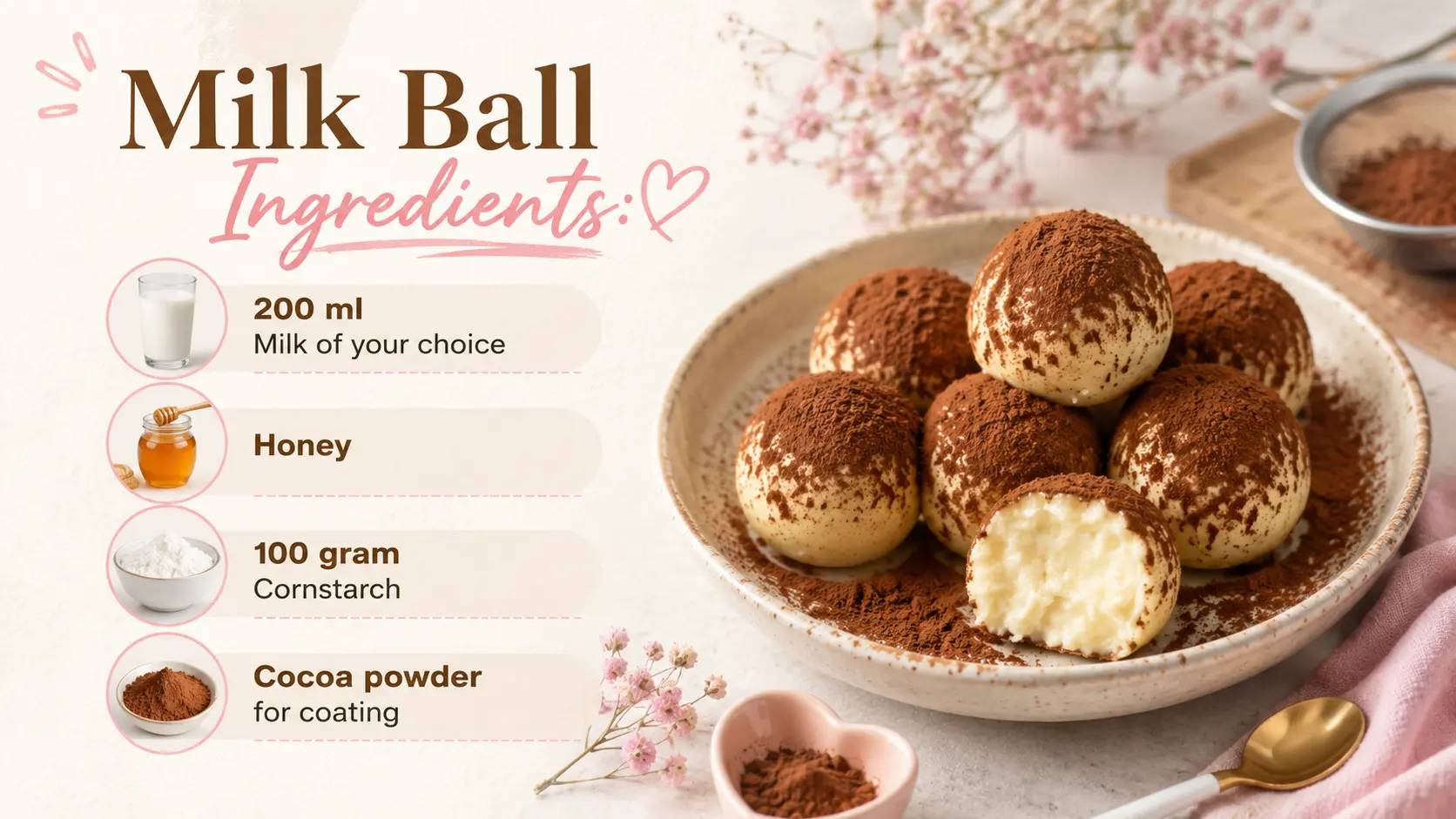
One of my favorite things about these milk balls is how short the ingredient list is.
You'll need:
- 200 ml Milk of your choice
- Honey
- 100 gram Cornstarch
- Cocoa powder for coating
That's it.
I love recipes that don't require a grocery store scavenger hunt, and this is definitely one of them.
How to Make Milk Balls Step by Step
Step 1: Combine the Ingredients
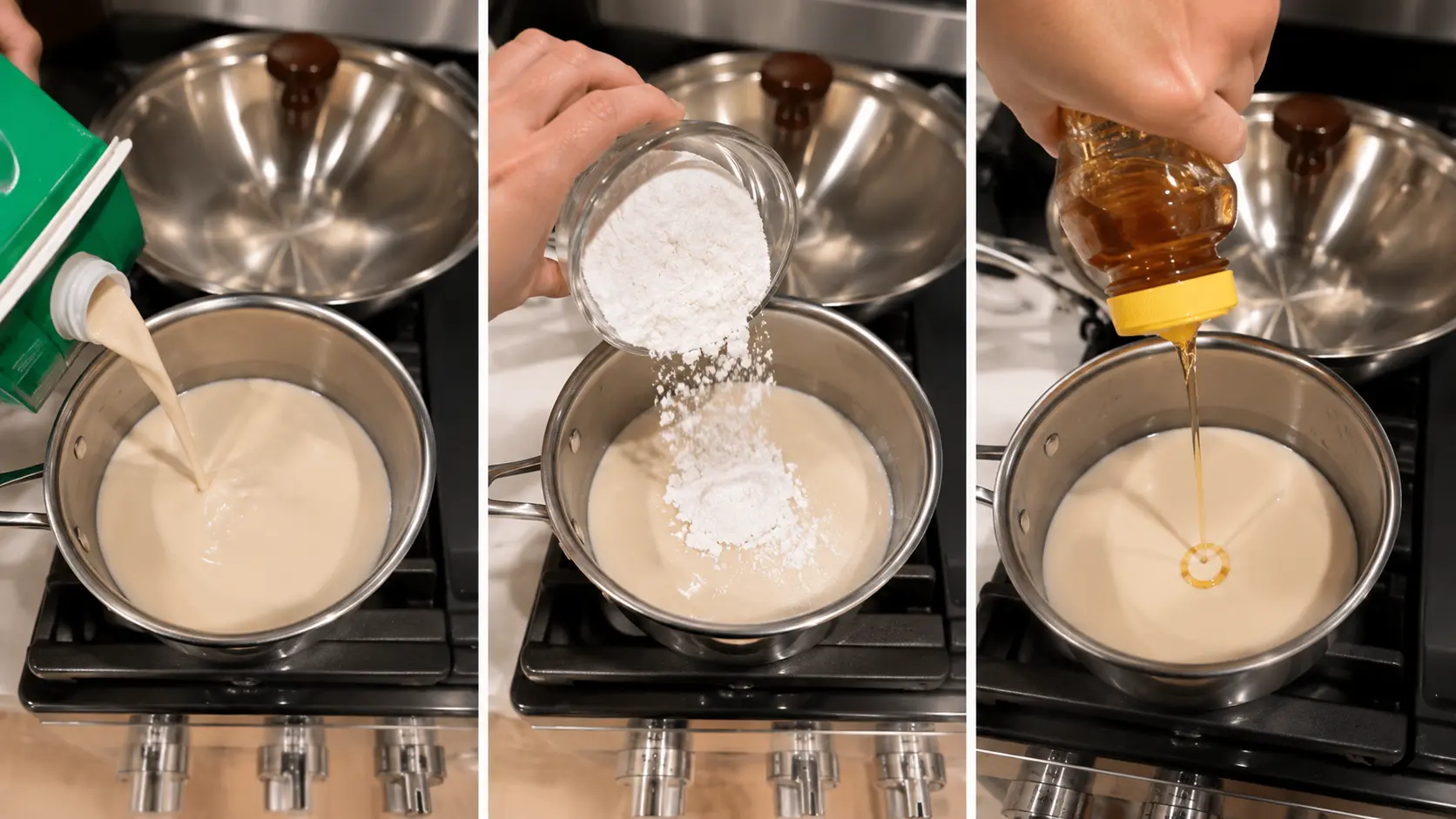
Start by pouring your preferred milk into a saucepan.
Add the honey followed by the cornstarch.
Mix everything together until the cornstarch is fully dissolved before turning on the heat. This helps prevent lumps from forming later.
Step 2: Cook on Low Heat
Place the saucepan over low heat.
This part requires a little patience. Keep stirring continuously as the mixture slowly thickens.
At first, it looks just like regular milk, but don't worry. As the cornstarch cooks, you'll notice the mixture becoming thicker and thicker.
Eventually, it transforms into a sticky dough.
I always think it's pretty amazing how just a few simple ingredients can completely change texture with a little heat.
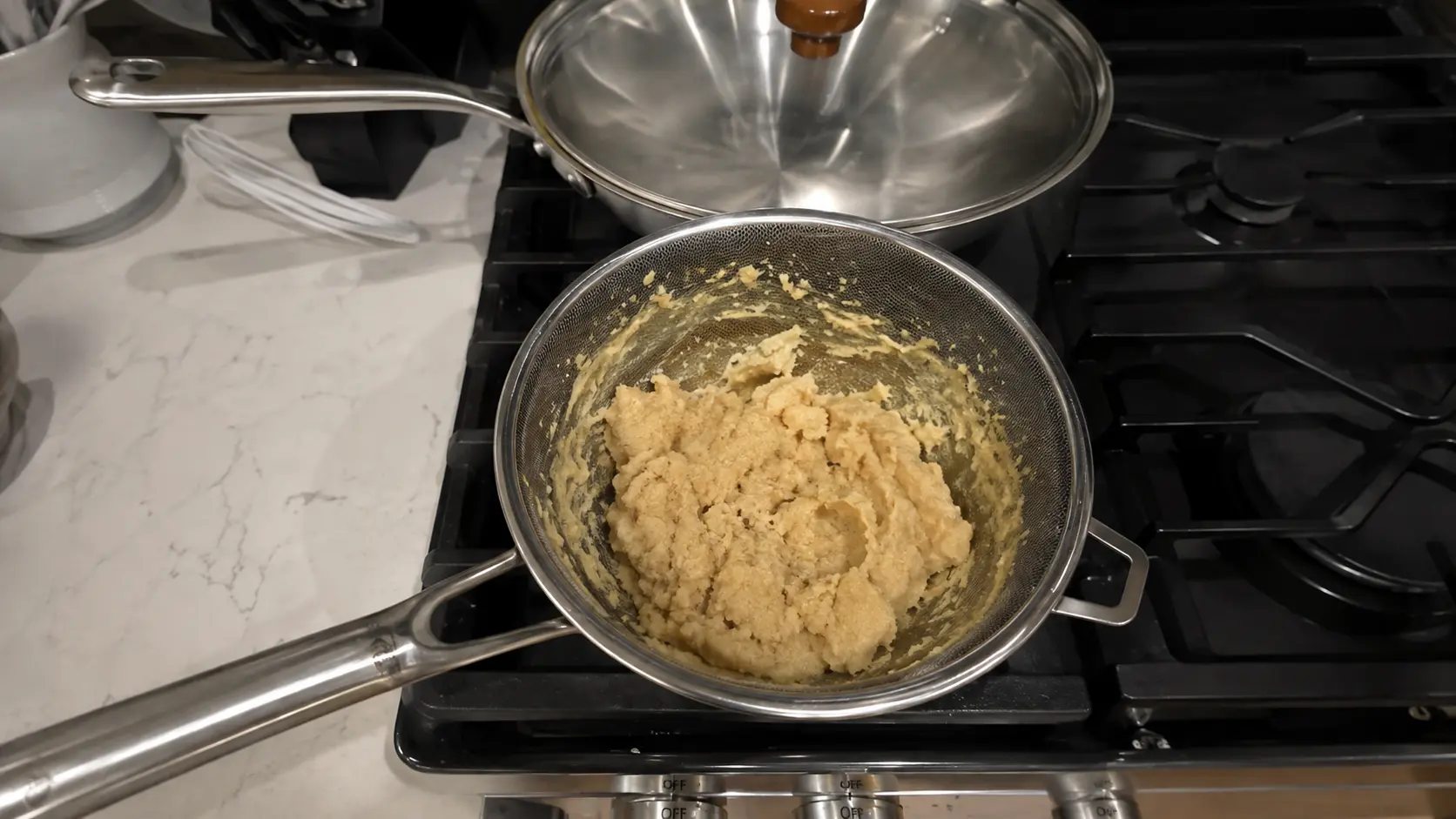
Step 3: Knead the Dough
Once the mixture becomes thick enough to hold together, remove it from the heat.
Allow it to cool slightly until it's comfortable to handle.
Now comes my favorite part.
Begin kneading the dough until it feels smooth and resembles Play-Doh.
If there's one tip I never skip, it's this:
Wet your hands first.
The dough can become very sticky, and damp hands make shaping the milk balls so much easier.
Trust me, you'll save yourself a lot of frustration.
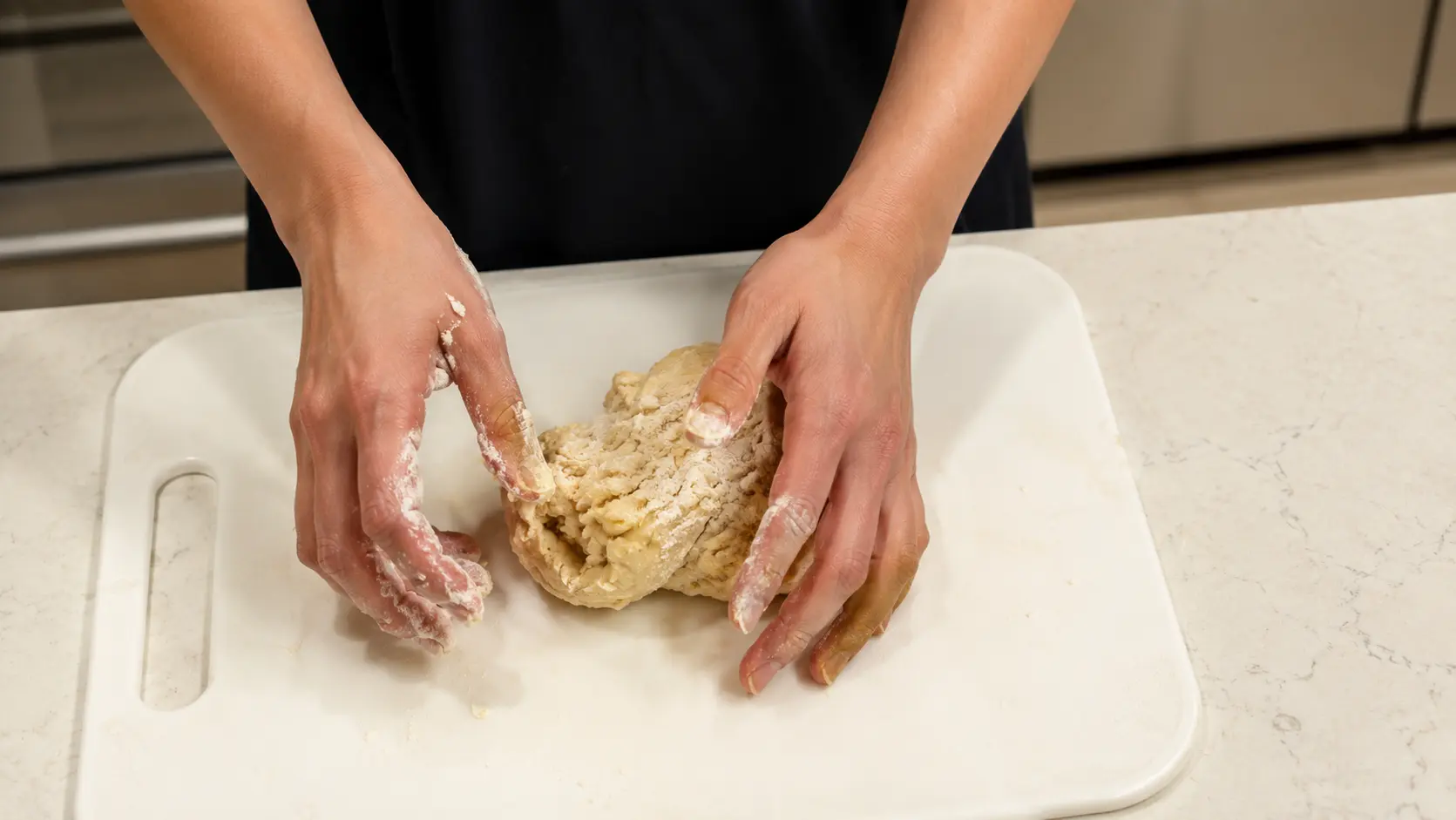
Step 4: Shape the Milk Balls
Take small portions of the dough and gently roll them between your palms.
You can make them as small or as large as you like, although I prefer bite-sized pieces because they're easier to eat.
Don't worry if they aren't perfectly round. Homemade treats always have a little personality.
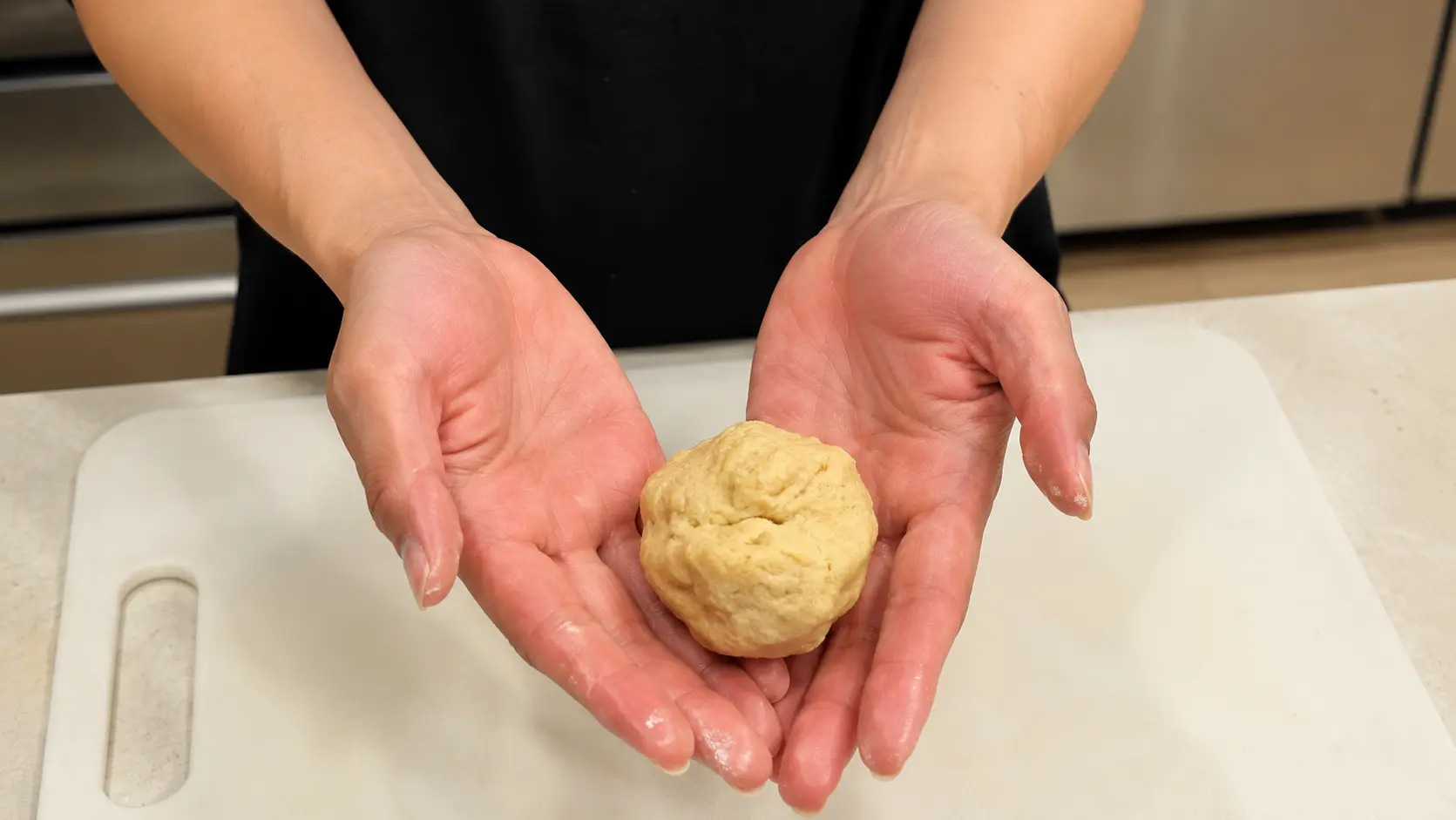
Step 5: Coat with Cocoa Powder
Once you've rolled all your milk balls, lightly coat them with cocoa powder.
The cocoa powder adds a rich chocolate flavor while keeping the outside from feeling sticky.
I also love how it gives these little treats a beautiful finish that makes them look much fancier than the effort required.

Recommendations for Making Milk Balls Better
One reason I keep making these milk balls is because they're incredibly versatile.
Use Any Milk You Like
You're not limited to one type of milk.
You can use:
- Soy milk
- Regular milk
- Almond milk
- Oat milk
It's nice having a recipe that works with whatever happens to be sitting in your refrigerator.
Change the Sweetener
I used honey because I love the flavor, but there are plenty of other options.
You can also use:
- Brown sugar
- Maple syrup
- Agave nectar
- White sugar
- Monk fruit sweetener
Each sweetener gives the milk balls its own unique flavor, so don't be afraid to experiment.
Try Different Toppings
Cocoa powder is delicious, but it's definitely not your only choice.
Try dusting your milk balls with:
- Matcha powder
- Cinnamon
- Chocolate
- Coconut Flakes
- Finely chopped almonds
- Crushed pistachios
- Crushed peanuts
- Toasted sesame seeds
- Black sesame powder
- Freeze-dried strawberry powder
- Raspberry powder
- Blueberry powder
- Mango powder
- Crushed graham crackers
- Crushed vanilla wafers
- Crushed Oreo cookies
Changing the coating completely transforms the finished dessert, so it's easy to create a different version every time you make it.
What Drinks To Pair This With
These milk balls pair wonderfully with a variety of refreshing and coffee-based drinks. Their soft, chewy texture and lightly sweet flavor complement both rich and creamy beverages, making them the perfect afternoon treat or dessert.
Here are some of my favorite pairings:
- Coca Cola Coffee for a bold, fizzy coffee twist.
- Crackling Ice Latte if you're craving a refreshing drink with a crunchy chocolate shell.
- Chocolate Latte for the ultimate chocolate lover's combination.
- Dalgona Coffee to balance the fluffy whipped coffee with the soft texture of the milk balls.
- Iced Latte for a simple, creamy pairing that's perfect any time of day.
I love serving these milk balls alongside an iced coffee because the cool, creamy drinks perfectly complement their soft and bouncy texture.
My Thoughts About These Milk Balls

I love recipes that surprise people, and these milk balls definitely do that.
Everyone expects them to be complicated because of their unique texture, but they're incredibly simple to make.
I also appreciate that the ingredient list is so short. Sometimes the best recipes aren't packed with dozens of ingredients. They're made from a few simple staples that come together in an unexpected way.
The texture is easily my favorite part. Bouncy on the outside and soft on the inside makes every bite fun. It's one of those desserts that makes people stop mid-bite and say, "Wait...what is this?"
I also love how customizable they are. Whether you're using soy milk, regular milk, almond milk, or oat milk, you can make these fit your own preferences without sacrificing the experience.
If you're looking for something different from cookies, cakes, or brownies, I think these milk balls are worth trying. They're playful, satisfying, and guaranteed to become a conversation starter.
Frequently Asked Questions About Milk Balls
1. What are milk balls?
Milk balls are soft, chewy treats made by cooking milk, honey, and cornstarch until they form a dough that can be rolled into bite-sized balls.
2. Can I use soy milk?
Yes. Soy milk works great for making milk balls.
3. Can I use regular milk?
Absolutely. Regular milk is one of the recommended options.
4. Can I use almond milk?
Yes. Almond milk can be used in place of dairy milk.
5. Can I use oat milk?
Yes. Oat milk is another great choice for this recipe.
6. What sweeteners can I use?
Besides honey, you can also use brown sugar or maple syrup.
7. Why should I wet my hands?
Wet hands help prevent the dough from sticking while shaping your milk balls.
8. What can I coat the milk balls with?
You can use cocoa powder, matcha powder, cinnamon, or chocolate.
9. Why is the mixture cooked over low heat?
Cooking over low heat allows the mixture to slowly thicken into a smooth, dough-like consistency.
10. What texture should milk balls have?
The finished milk balls should be bouncy and squishy on the outside with a soft, fluffy center, making every bite incredibly satisfying.






.png)